

Foreword
I am pleased to present this Early Years Strategy as an important part of the City’s work targeted at our youngest children, and their families.
The Early Intervention Foundation [https://www.eif.org.uk/why-it-matters/how-do-we-know-it-works]presents strong evidence for improved outcomes following early intervention for children with additional social, developmental or health needs. Research also outlines that high- quality early education has a positive effect on children’s long-term outcomes, helping to raise attainment and close the gap between children from disadvantaged backgrounds and children who are not disadvantaged.
The benefits of a secure start to life are immeasurable. By investing in and nurturing children in their first five years of life, we lay the foundations for them to flourish as happy, healthy, individuals with stable economic futures.
This Early Years Strategy continues work undertaken during the last 3 years using local data to identify priorities.
The One Coventry approach champions greater integration of aims and resources across a range of services. Effective partnerships already exist and through this strategy we will build on this for the benefit of children and families.
We have effective Early Years services in Coventry. However, we are ambitious to be even better, by bringing the energy and pace needed to embed, and sustain improvement.
This strategy, developed in partnership with a range of early childhood services, including Education, Health, Early Help, SEND, Family Hubs, Public Health, Schools, Libraries and Early Education providers, sets out our priorities, and commitments for the next three years focusing on the areas that matter most.
I want to thank the colleagues and partners who have helped shape this Early Years Strategy. Together we will use it to develop and deliver services which make a real difference to the children and families in the city.
The local, national, and global context continues to present us with a challenging environment. However, giving children the best possible start in life is vital to reducing inequalities and ensuring that every child can start school happy, healthy, and with the same opportunity to reach their potential and enjoy an excellent quality of life whatever their starting points.
This is why Early Years remains a high priority within the One Coventry Plan, and we strive to make the most of the resources we have, to give every child, every chance, every day.
Sukriti Sen
Director of Children’s and Education Services
Introduction
In this strategy we set out our collective vision, priorities, and commitments for the next 3 years.
This Early Years Strategy outlines the work of professionals, partners and practitioners working with families and children from conception to age 5 in Coventry. The Councils role as an enabler and leader is reinforced through a commitment to partnership working and professional development for practitioners working across the city.
It aligns the priorities within several initiatives and wider strategies focusing on what we want to achieve and how we will achieve it through greater integration of service aims and resources. It supports the delivery of the ‘ONE COVENTRY Council Plan 2021 to 2030’.
For children and their families, this strategy is about improving outcomes and tackling inequalities, leading to the increasing economic prosperity of the city over time.
This document and the associated key activities have been developed by the Early Years Service, SEND: Birth to Five Team, Public Health, Health, Early Help, Libraries, Therapy Services, Family Health and Lifestyles Service and Family Hubs.
We are working as a ‘coalition’ respectful of different service priorities, targets, and cultures, but committed to aligned plans for children from conception to age 5.
This strategy, 'Every Child, Every Chance, Every Day’ brings together many of Coventry’s Health and Local Authority early childhood services, it also encompasses the valued work of voluntary and community sector partners.
At an operational level we provide a graduated approach offering universal targeted and specialist services. We act to empower families to provide their children with a loving, stable, family life via access to a tailored support and early intervention where it is needed.
Coventry is one of 75 trailblazer Local Authorities funded to deliver an enhanced Family Hub delivery model. The Start for Life offer is a national coordinated framework providing universal prevention and early intervention services for children, young people, and their families from conception to 19 (or 25 for those with SEND). It is the delivery vehicle for a range of Government programmes including Start for Life, the Healthy Child Programme and Supporting Families.
The universal service offer includes the key ‘Start for Life’ services of health visiting, midwifery, specialist breastfeeding support, infant feeding advice, mental health support, safeguarding and services relating to SEND.
Families access these services within Family Hubs and outreach locations with services also delivered in the home or online.
Family support with early education at home is facilitated through a new ‘playing and learning together’ framework.
The free early education and childcare offer is provided by a mixed market offering flexible choices, which facilitates Government plans for the expansion of places, including development of more school-based provision, for wraparound and holiday care.
Our early years pathway from conception to 5 years of age is designed to be inclusive and improve equality of access to universal and targeted support by working closely with voluntary sector partners with good reach into diverse communities.
All levels of support promote prevention, early identification, and intervention, working with families who might benefit from more help at various times as their children grow and develop, to prevent early problems from escalating.
Age 2 to 5 years
- booking appointment 8 to 10 weeks
- Antenatal midwifery appointments in the community and hospitals
- Healthy Start vitamins for mothers during pregnancy and beyond.
- Health visitor antenatal contact from 28 weeks
- Family Nurse Partnership/Early Intervention HV for parents 21 and under
Maternity services
- Neonatal follow up programme for all low-birth-weight babies discharged from neonatal intensive care unit from 3 months until a child turns 2 years.
- Postnatal midwifery appointments
- Healthy Start vitamins for children from birth to 4 years.
- Health Visitor 6 to 8-week review
- Child health clinics in Family Hubs
- Breastfeeding support
- Parent and Baby Psychology service (PBPS) and Perinatal Mental Health Service (PMHS)
- Primary 8 to 12-week immunisations
- Bumps, Babies and Beyond sessions in Family Hub locations
From birth
- Neonatal follow up programme at 6 and 12 months.
- Baby massage for babies 3 to 6 months
- New parents’ group for babies aged 4 to 6 months
- Child health clinics in children’s centres and health clinics
- Breastfeeding support
- Bumps, Babies and Beyond sessions in Family Hub locations
- Immunisations at 12 months
6 to 12 months
- Neonatal follow up programme at 24 months.
- Developmental reviews at 12 to 15 months and 2-2 years 6 months
- Parenting programmes
- 0 to 5 year old activities such as stay and plays and Chat, Play, Read at Family Hubs and libraries
- SEND activities including Early Support and stay and play sessions – ‘Together We Can.’
- Talking Tots
- Free entitlements for 2-year-olds
- Portage service
- Family Learning Services
- Easy Peasy app
The evidence for supporting Early Years
Inequalities in health arise out of inequalities in society; they are not inevitable. Reducing inequality in society leads to improvements in a person’s well-being, mental health, community and social relations, reduced levels of violence and better educational attainment. To improve the health, wellbeing, and life chances of the people of Coventry, reducing inequality is vital.
Where someone is born, where they live, whether they work or not and what they do all affect how long someone will live, how healthy they will be and what quality of life they will experience. Men in the most affluent areas of the city will live, on average, 10.7 years longer than men in the most deprived areas, for women the difference is 8.4 years.
In April 2013 Coventry committed to tackling the health inequalities agenda by delivering rapid change in health inequalities by 2015 and was one of 7 cities in the UK invited to participate in the UK Marmot Network and become a Marmot City. Becoming part of this Network has provided access to the international expertise of the Marmot Team based at University College London.
The ‘One Coventry Plan, 2022 to 2030’ has a clear purpose related to 'Improving outcomes and tackling inequalities within our communities’. This will be achieved through focusing on improving outcomes for local people and tackling inequalities to build prosperity across the city. Protecting the most vulnerable and supporting and valuing the contribution of residents to benefit communities. Amongst the actions are:
- working with business, residents, partners, and education providers to ensure that all our communities’ benefit from job opportunities created by investment in the city
- protecting children and supporting families to give children the best start in life. Raising their aspirations through integrated early help, education partnership work and implementing the Family Valued programme
- acting to narrow the gap in education performance measures for vulnerable groups at each phase, including supporting children and young people who were most affected by disruption to their learning due to the pandemic
Being a Marmot City facilitates partners from different parts of Coventry City Council and from other public sector and voluntary organisations, to work together. Success within the Early Years Strategy is driven through tackling inequalities through a collaborative approach, with communities, and partner organisations and through alignment with the priorities within the Coventry and Warwickshire Integrated Health and Care Delivery Plan [https://www.happyhealthylives.uk/our-system/ihcdp/].
The Marmot principles, from the ‘Marmot Review, Fair Society, Healthy Lives’ are embedded into the core functions of the council and its partners. Improving health and reducing inequalities in Coventry is a priority for everyone working to improve the lives of people in the city. Since 2013, there have been improvements in school readiness at age 5, health outcomes, life satisfaction, employment, and reductions in crime in priority locations.
Our vision and approach
Every Child, Every Chance, Every Day
To meet the Marmot objective of ‘giving children the best start in life’ our strategic activity is built on research related to actions that will make the biggest difference in the early years of life:
- For every child, we will seize every chance and every opportunity to enable them to flourish; to learn and to develop physically, academically, emotionally, and socially to reach their individual potential.
- We will do this to a consistently high standard every day, to help families and communities to raise children who are resilient, happy, and healthy.
- We base everything we do on what is most important and relevant for all young children and families. We will achieve this across our coalition of services, working towards the Marmot Priorities.
Best start in life: why is this important?
The Marmot Review summarised the importance of quality provision for under-5s as
"Giving every child the best start in life is crucial for securing health and reducing health inequalities across the life course. The foundations for virtually every aspect of human development – physical, intellectual, and emotional – are laid in early childhood. What happens during these early years, starting in the womb, has life-long effects on many aspects of health and well-being."
Sir Michael Marmot
Marmot priority: give every child the best start in life
- reducing inequalities in the early development of physical and emotional health, cognitive, linguistic, and social skills
- working with families to support language development, including children with EAL (English as an Additional Language)
- maximising the take up of 2, 3, and 4-year-old funded places
- ensuring high-quality maternity services, parenting programmes, childcare and early years’ provision to meet need across the social gradient including support for families from ethnic minority backgrounds
- building the resilience and well-being of young children across the social gradient
Child friendly Cov
This strategy also aligns to the principles of ‘Child friendly Cov.’
This campaign, launched in 2024, aims to make Coventry a child and young person friendly city, ensuring that Coventry is a place where children and young people are valued, supported, and enjoy themselves.
Working together with local children and young people, led to the following themes becoming key priorities for how to make Coventry a child friendly city.
Children and young people in Coventry should always:
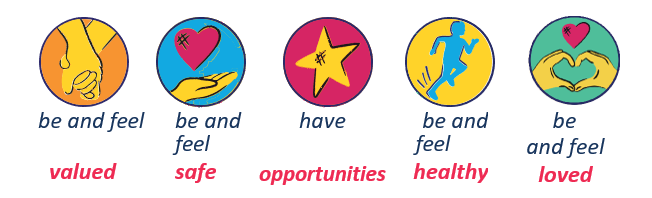
- be and feel valued
- be and feel safe
- have opportunities
- be and feel healthy
- be and feel loved
There are lots of things happening in Coventry which makes this a great city for children, young people, and their families. The Child Friendly Cov campaign wants to build on this, highlighting what we already do, and building further [https://www.childfriendlycov.co.uk/the-story-so-far], so that everyone is committed to making Coventry a city which is truly child friendly.
The cost of late intervention
The Centre for Early Childhood communicates that:
‘When parents lack support and their children miss the opportunity to develop healthily during pregnancy and up to the age of five, the personal and human costs can be great, and the effects on the individual reverberate across society.’
In 2021 The Royal Foundation of The Duke and Duchess of Cambridge ‘Big Change, Starts Small’ initiative commissioned the London School of Economics (LSE) to look at the most recent data on public expenditure [https://centreforearlychildhood.org/why-this-matters/the-societal-opportunity/].
The LSE’s study produced an estimate for 2018 to 2019 of lost opportunities in the early years i.e. expenditure that might be avoided or replaced if preventative action were taken in early childhood.
The estimate included long-term expenditure associated with adverse childhood experiences (ACEs). It calculated that the costs associated with lost opportunity in 2018 to 2019, in England alone, were in the region of £16.13 billion. To put this spend into perspective, £16.13 billion a year represents 5 times the total annual spend on early education and childcare entitlements and around 44 times the investment in specialist perinatal mental health services between 2015 to 2016 and 2021.
What we know
There are several programmes and interventions evidenced to support the aim to give every child the best start in life. These include:
- integrated universal, targeted and specialist support to families from the antenatal period up to adolescence across the social gradient
- targeted high-quality family learning interventions to maximise children’s learning in the home environment for families across the social gradient
- interventions at the earliest opportunity for the complex problems some families face
- high quality early years provision to maximise children’s learning, development, and school readiness
- general information and advice to parents and carers to support positive parenting and nurturing home environments
- programmes to help ensure that babies and toddlers stay safe in and around the home to reduce the number of unintentional injuries
The Coventry context
Coventry, located at the eastern edge of the West Midlands, is an ethnically diverse and rapidly growing city. As of mid-2023, the population was estimated at 360,702 [https://www.coventry.gov.uk/facts-coventry/coventry-72], reflecting a 13.8% increase from 316,960 in 2011. This growth surpasses the regional increase of 8.6% and the national figure of 8.8%. The city maintains a youthful demographic, with a median age of 35 years, notably younger than the England median of 40 years. This is partly due to the presence of 2 prominent universities attracting students both domestically and internationally.â
In 2021 to 2022, approximately 21.4% of children under 16 in Coventry lived in absolute low-income households, aligning with the West Midlands average but higher than the national rate of 15.3%.
While birth rates have been declining over the past decade, the number of children aged 5-14 has increased, indicating a shift in the city's age distribution. Migration remains a significant factor in Coventry's population growth, with the city serving as a sanctuary for individuals seeking refuge from global crises. The largest movements involve individuals relocating from and to other parts of the UK, particularly students attending the city's universities.
International migration also contributes notably, with more people moving to Coventry from overseas than those emigrating abroad. Consequently, Coventry has become the 9th largest city in England and the 12th largest in the United Kingdom.
Ethnic diversity
Coventry is an ethnically diverse city, with 44.7% of residents identifying as part of the global majority, an increase from 33.4% in 2011. This is higher than the West Midlands region (27.9%) and England as a whole (26.5%).
Asian Indian forms the largest sub-group (9.3%). The diversity in spoken languages is also increasing, with English as a first language decreasing from 86.1% in 2011 to 82.5% in 2021. Within Coventry, Polish (2.3%), Panjabi (2.3%) and Romanian (2.1%) are the 3 most popular main languages spoken aside from English. Coventry has been an asylum dispersal city and more latterly a ‘City of Sanctuary’ in respect of migrant populations with this population expanding post-pandemic, with health inequality a key priority for this and other groups within the city. Read more about Coventry [https://www.coventry.gov.uk/facts-coventry/coventry-72].
Coventry’s child population is more ethnically diverse than the adult population overall and is becoming more diverse over time, this indicates that the total population is highly likely to become more diverse in the future, with an increasing proportion of the city’s population being from an ethnic minority background. According to the latest school census in January 2023, 58.0% of Coventry’s school children are from an ethnic minority group up from 39.7% in 2012. The largest ethnic minorities in school children are Black African (12.0%), non-British white (10.5%), and Asian Indian (9.6%). Coventry City Council [https://www.coventry.gov.uk/facts-coventry/coventry-72?utm_source=chatgpt.com]
Work to tackle the inequalities faced by the global majority is inherent within a number of key strategies across the city including the health inequalities strategic plan Health Inequalities [https://www.happyhealthylives.uk/download/clientfiles/files/document_library/HI%20Inequlites%20Strategy%20ICS.pdf] Strategic Plan 2022 to 2027 [https://www.happyhealthylives.uk/download/clientfiles/files/document_library/HI%20Inequlites%20Strategy%20ICS.pdf]. This aims for the Maternity service are to improve maternity and neonatal services and ensure equity for mothers and babies from Black, Asian, and Mixed ethnic groups and those living in the most deprived areas. In the area of physical health for children and young people the Integrated Care Board (ICB) aims to ensure equitable access, experience and outcomes for Core20+5 groups and ethnic minorities.
The impact of Covid-19
Families’ health and wellbeing, and children’s learning and development were harmed by the Covid-19 pandemic. Challenges families, pregnant women, and young children faced included limited support during pregnancy, reduced access to routine vaccinations and developmental checks; missed SEND identification, lack of early socialisation and impact on perinatal mental health.
Parents, early education providers and schools hold consistent views on the impact of disruption in early years education. Reporting that:
- children have more speech and language problems through less chances to practice their communication skills at home or nursery
- children struggle to cope with changes due to missed chances to socialise and develop self- regulation skills, creating increased social, emotional and mental health needs
- children’s physical development suffered as they spent more time indoors and less time being active
- early years practitioners are worried the development gap is growing. Some disadvantaged children lost more early education than their peers
- this is the main impact of the pandemic, cited in many studies. It indicates the importance of using evidence-based approaches to help children who have lived through Covid-19, especially those facing multiple disadvantages
Deprivation and vulnerabilities
Coventry has made progress in reducing deprivation levels in recent years. According to the English Indices of Deprivation, the city's ranking improved from 46th in 2015 to 64th in 2019 among 317 local authority areas in England (where first is the most deprived). Additionally, the proportion of Coventry's neighbourhoods among the 10% most deprived nationally decreased from 18.5% in 2015 to 14.4% in 2019.
However, challenges remain. In 2021 to 2022, approximately 31,400 children in Coventry were living in poverty, representing 39.6% of the city's child population. This figure is significantly higher than the national average of 29.2%. Furthermore, 26.7% of children were living in relative low-income families, amounting to an estimated 18,267 children, compared to 19.9% in England.
The ongoing cost-of-living crisis has exacerbated these issues, underscoring the need for continued efforts to support vulnerable families and reduce child poverty in Coventry.
Life expectancy is below regional and national averages. There are significant health inequalities across Coventry’s neighbourhoods and affect certain communities disproportionately. People living in more deprived parts of the city not only live shorter lives but also spend a greater proportion of their shorter lives in poor health than those living in less deprived parts of the city. Living in deprived areas limits residents’ opportunities to succeed in life; transforming life chances require us to address the social inequalities that are established from children’s earliest years.
Following Covid-19, the economic outlook for the city remains challenging. While spending and other economic activity initially bounced back in 2021 to 2022, employment has been slower to return to pre-pandemic levels. Additionally, rapid inflation, high energy prices and the cost-of-living crisis strained the finances of all households and businesses
For further relevant information and statistics, read:
- data and information [https://www.coventry.gov.uk/marmot-monitoring-tool/headline-statistics-data-tell-us]
- about Coventry [https://www.coventry.gov.uk/facts-coventry/coventry-72]
- One Coventry Performance Plan 2023 to 2024 [https://www.coventry.gov.uk/performance-1/one-coventry-performance-plan-2023-24]
- Coventry Joint Strategic Needs Assessment (JSNA) 2023 [https://www.coventry.gov.uk/facts-coventry/coventry-citywide-profile-2023]
Our strategy
Priority 1: for every child - the best start to life
Commitment: we will secure the ‘best start’ for every child through universal access to the Start for Life Programme to ensure that every child and family has access to the resources and support they need to flourish.
Outcome: flourish
Priority 2: for every child - a chance to reach their potential
Commitment: we will advocate for early childhood, implementing research-based programmes and initiatives to provide every chance for all children to reach their potential and thrive, regardless of their background or circumstances.
Outcome: thrive
Priority 3: for every child - excellence in early education, every day
Commitment: we will focus on workforce development. Building knowledge, skills and excellence in early education, to establish the right foundation to address inequalities from conception, so every child can succeed. We will strive to create a more equitable and prosperous future for all.
Outcome: succeed
Priority 4: for every child - helping families to be resilient, safe, happy and healthy
Commitment: we will empower families to achieve resilience, happiness, and health through continued work to build effective partnerships and delivery systems, which foster supportive, safe networks and promote holistic well-being and fulfilment.
Outcome: fulfilled
Our priorities and commitments also include bringing the principles of the ‘Child Friendly Cov’ campaign to life:
| Early Years strategy priority | 'Child friendly Cov' principle |
|---|---|
| Priority 1: for every child - the best start to life | Be healthy |
| Priority 2: for every child, a chance to reach their potential | Feel and be valued |
| Priority 3: for every child - excellence in early education, every day | Have opportunities |
| Priority 4: for every child, helping families to be resilient, safe, happy and healthy | Be and feel loved |
| Priority 5: for every child - helping families to be resilient, safe, happy and healthy | Feel and be safe |

Priority 1: for every child - the best start to life
Commitment:
We will secure the ‘best start’ for every child through universal access to the Start for Life Programme to ensure that every child and family has access to the resources and support they need to flourish.
When children’s developmental needs are met, they are more likely to thrive emotionally, socially, cognitively, and physically, setting a solid foundation for their future well-being and success. Meeting these needs requires supportive and nurturing relationships, safe and stimulating environments, and access to appropriate resources and opportunities for learning and growth.

Where are we now?
Coventry Joint Strategic Needs Assessment (JSNA) 2023 – Coventry City Council [https://www.coventry.gov.uk/facts-coventry/coventry-citywide-profile-2023/6]
At birth and in early childhood:
Coventry achieves above the national average for metrics related to child development in infancy. However, by the age of five, fewer children achieve a good level of development than within statistical neighbour localities.
In 2020 to 2021, 73.8% of Coventry newborns received breast milk as their first feed, better than both regional (68.3%) and national averages (71.7%). The prevalence of breastfeeding is also measured using data collected by health visitors when a baby is 6 to 8 weeks old. In Coventry it has remained around 50% in recent years, meaning that half of babies remain at least partially breastfed by that age. While there is some uncertainty because of missing data for a small minority of babies, we can say the 2021 to 2022 rate of about 51% is higher than the England average of 49.2% and it has been better for the last few years, although the gap has narrowed due to an increasing trend for England overall.
In 2021 to 2022, 9.3% of new mothers from Coventry were smoking at the time of delivery. While it would be good to reduce this further, this has been on a downward trend from 15.1% in 2010 to 2011. It is the same as the England average (9.1%) but lower than the regional average (9.8%) and the average amongst Coventry’s statistical neighbour areas.
Infant mortality:
Rates in Coventry are higher compared to England but similar to the regional rate. The infant mortality rate in Coventry is 5.7 per 1,000. In line with the West Midlands (5.6) but higher than for England (3.9).
The child mortality rate (1-17 years) in Coventry, whilst low in number, is 15.0 per 1,000, has remained persistently high compared to both the West Midlands (11.0) and England (10.3) since 2012.
Low birth weight:
In 2021 the percentage of all babies born at low weight (under 2500g) in Coventry was 8.1%, higher than the national average of 6.8%, but similar to the regional average of 7.6%. This could be due to a relatively high number of babies born to Coventry mothers being premature, leading to a higher number of babies born at low weight; for the 3 years 2018 to 2020 1,255 Coventry babies were born prematurely, a rate of 99.7 per 1,000 compared to the national average of 79.1.
Teenage parents:
Under 18s conception rate per 1,000 is 21.2 locally compared to national rates of 16.7.
Oral health:
Data from an oral survey of 5-year-olds indicates that the dental health of children in Coventry is worse than regional and national averages. In 2021 to 2022 over a third of 5-year-olds surveyed had experience of visually obvious dentinal decay, 34.2% compared to 23.8% across the West Midlands region overall and 23.7% across England overall. This is the third highest prevalence out of all local authority areas in the West Midlands. (Child Health Profile 2021).
Childhood obesity:
At reception, Coventry’s obesity rate is similar to the England average; but by Year 6, the city’s obesity rate is higher than the England average. 1-in-5 reception year (aged 4 and 5) Coventry children were measured as overweight in 2021to 2022, doubling to 2-in-5 children in year 6 (aged 10 and 11). There is a clear link between deprivation at age 4 and 5 and age 10 and 11, with successively higher rates of obesity in areas of higher levels of multiple deprivation. The general trend over the last 7 years is of increasing proportions of 10 and 11 years being overweight or obese.
Children in Care:
In Coventry 89.5 children out of every 1,000 are in care. This is higher than England’s rate of 70 but in line with the statistical neighbour average of 89. This has been on a slightly increasing trend in recent years. Coventry has seen an increase in the number of unaccompanied asylum-seeking children, the city has a higher proportion of these children in care than all comparators. If these children were excluded, then a trend of reduction would be shown over the last few years.
Childhood vaccination take up rates in Coventry are relatively low and have decreased:
In the 2020 to 2021 period, 81.7% of children in Coventry received their first dose of the Measles, Mumps, and Rubella (MMR) vaccine by their second birthday. Health authorities aim for a 95% vaccination coverage to ensure herd immunity and prevent outbreaks. In the 2023 to 2024 period, there is significant improvement. 86.5% of children in Coventry received their first dose of the Measles, Mumps, and Rubella (MMR) vaccine by their second birthday. This figure is slightly below the regional average of 88.2% and the national average of 88.9%. âSource: eDemocracy [https://edemocracy.coventry.gov.uk/documents/s59611/Briefing%20Note%20Coventry%20MMR%20Immunisation%20Rates%20Paper%20Health%20Scrutiny%20Committee%20Feb%202024%20Final.pdf?utm_source=chatgpt.com]Fingertips [https://fingertips.phe.org.uk/static-reports/public-health-outcomes-framework/at-a-glance/e08000026.html].
The current uptake in Coventry falls short of the 95% target, highlighting the need for continued efforts to increase vaccination rates. âTo address this, the NHS and local health partners are implementing strategies to improve MMR vaccine uptake, including public awareness campaigns and making vaccinations more accessible. Parents and guardians are encouraged to ensure their children receive both doses of the MMR vaccine at the recommended ages to protect against these preventable diseases.
Poverty:
The percentage of children under the age of 16 who live in absolute poverty is greater when compared to the rest of England. In Coventry in 2021 to 2022, 21.4% of children under the age of 16 live in homes with ‘absolute’ low incomes, compared to 15.3% in England.
The percentage of children living in ‘relative poverty’ in Coventry is 26.7%, amounting to an estimated 18,267 children. This compares to 27% throughout the West Midlands and 19.9% in England. This has been an increasing trend in Coventry, and elsewhere, since 2014 to 2015.
The extent of ‘child poverty’ can be measured in other ways, the End Child Poverty campaign attempts to model the number of children who live in households with a relatively low income (less than 60% of the national median household income), calculating income after the costs of housing are taken away. Rates are higher when calculated this way. For 2021 to 2022 they estimate that 31,458 of Coventry children (0 to 15) live in poverty, which amounts to over one-third of all children living in Coventry, 39.6%.
Children who access Early Years Education
In 2024 the take-up of early education funded places for eligible 2-year-olds was 67.2%. This was below national (74.8%) and our statistical neighbours (72.5%).
The take-up of the universal entitlement places for 3- and 4-year-olds highlights a relatively consistent picture within like for like terms e.g. Autumn to Autumn. This dataset shows an ongoing, fluctuating picture across the year which could be linked to the level of transience within the population and cultural influences within communities who cite that they prefer to admit children into nursery education later than their UK counterparts.
In Autumn 2024 89.6% of 3- and 4-year-olds in the city accessed early years education compared to 94.9% nationally and 95.7% for statistical neighbours.
Note: LAIT Data January 2024 statistics do not cover the expanded entitlements for children of eligible working parents which includes, from April 2024, the 15-hour entitlement for 2-year-olds and, from September 2024, the 15-hour entitlement for children aged 9 to 23 months.
Take up of Extended Entitlements (30 Hours) for 3 & 4 year olds
From September 2017 eligible families were able to access an additional 15-hours per week of early education, up to a maximum of 38 weeks across the academic year. By October 2017, 1143 places were taken up across both PVI providers and school nursery classes.
Since the introduction of the initiative in 2017, the overall take up of places has increased to 2,411.
The largest increase in the delivery of places has been seen in school nursery classes where we have seen a growth of 178%. This is due in the main to increase in a commitment from schools to provide this offer in order meet the needs of working families and to remain competitive in the childcare market.
Overall Coventry has seen an increase of 111% in the take up of places since the initiative began. Spring 2024 saw a take up of 3240 children, or 39%, accessing extended early years education across the city.
Priority one: what this means for every child
Marmot principles
- ensuring access to effective universal services including healthcare parenting programmes, and early years education meeting the level of need across the City
- the benefits of Early Education reaching more children, using different approaches to encourage take up of 2, 3, and 4-year-old funded places for targeted groups
What will we do?
- Family Hub development and accessibility:
- champion Family Hubs as central access points for Start for Life services
- expanding birth registrations within Family Hubs (from 2 to 4 hubs) to increase engagement
- roll out Bump to Baby interventions across all 8 localities
- develop the digital front door to support early learning
- co-design our Start for Life offers with Parent and Carer Panels
- embed a universal and universal+ offer for all families, with enhanced support for vulnerable groups
- Integrated Health & Developmental Support:
- multi-disciplinary teams will deliver joint sessions with health and SEND professionals to improve early identification and reduce referrals
- expand the 2-year integrated developmental review into more private, voluntary, and independent (PVI) nurseries
- ensure any 2-year-old check with concerns triggers Health Visitor follow-up
- strengthen links between every nursery and a designated health professional (e.g. health visitor)
- Health Promotion & Early Intervention:
- increase MMR vaccination uptake to match national averages
- narrow breastfeeding inequality by targeting traditionally underrepresented groups in (6 to 8 week) breastfeeding rates
- scale up access to toilet training sessions to reduce nappy use at school entry
- boost uptake of Healthy Start vouchers, including early access from 10 weeks pregnancy
- Parenting Support & Inclusion:
- expand the range of parenting support across the parenting journey
- ensure targeted parenting support reaches:
- under-21 first-time parents (via FNP)
- parents of children aged 0 to 2 (the “1001 days” window)
- ethnic minority families
- dads and male carers
- promote oral health, increasing the number of settings achieving the Early Years Oral Health Award
- Access to Childcare & Early Education:
- plan for expanded early entitlements and wraparound care to meet growing demand
- maintain and improve take-up of targeted 2-year-old funded places
- maximise Early Years Pupil Premium uptake across all provider types
- provide brokerage support for families seeking childcare to enable work or training
- Inclusion & Additional Needs Funding:
- monitor applications and awards for Special Educational Needs Inclusion Funding (SENIF)
- increase awareness and claims for Disability Access Funding (DAF) through strategic communication, training, and termly data analysis
Outcome flourish - we will know that we have been successful when:
Outcomes
- our early childhood needs are met, because our parents and carers know how ask for help, even before we are born
- more of our family members access resources to help them with looking after us. This is successful because up-to-date information, is shared through clear and effective communication systems, made available in a wide range of different ways, in person, in writing, audibly and electronically
- more of our parents and carers access regular healthcare checks and routine immunisations, regardless of our background or starting points
- where we need help, assessment and intervention is timely and acted upon. This ensures that we reach age-appropriate developmental milestones and maintain optimal health
- more of us attend 2,3- and 4-year-old provision, particularly from priority groups
Performance measures
- between 2025 and 2028 increase in the number of parents who access digital start for life services at universal and targeted level
- more parents of children aged 2–4, access HLE programmes delivered by a range of professionals including health and early years practitioners, and VCFS organisations
- more parents access targeted Family Help services receiving the support they need to thrive as a parent, when they need it
- increase attendance rates in reception across the local authority by 2% by 2028 through the implementation of a family engagement strategy
- increase the number of parents and practitioners who have accessed Thrive Training
- between 2025 and 2028 the number of completed integrated 2-year reviews will increase by 25%
- between 2025 and 2028 increase the percentage of children receiving the MMR vaccination by their second birthday to be in-line with national figures
- promote and increase engagement and success with breastfeeding from groups traditionally not breastfeeding
- to increase the number of practitioners accessing training, to support SEND in mainstream provision, to ensure accurate and early identification of need
- increase the number of early years practitioners across the LA achieving the Early Years SEND qualification by a further 10% by July 2028, to enhance inclusive practice and support more children with SEND to thrive in mainstream settings
- between 2025 and 2028 increase the take up of targeted 2-year old Early Years Education entitlements. (67.2%)
- maintain current take up of Early Years Education Universal Entitlement for 3- and 4-year-olds (90%) and move closer to statistical neighbours (95.7%)
- workforce development -PSED / SEML. 30% practitioners access training to support children with SEML needs in the early years foundation stage
Priority 2: for every child - a chance to reach their potential
Commitment:
We will advocate for early childhood, implementing research-based programmes and initiatives to provide every chance for all children to reach their potential and thrive, regardless of their background or circumstances.
Early language development
Speech, Language and Communication is the foundation of development within a Child’s early years, shaping their ability to, learn, and interact with the world. However, some children experience delays in developing communication skills, which limit their progress and hinder social skills and learning.
For children who struggle to communicate, talk and understand words, their whole lives are affected. A recent Speech and Language UK report ‘Listening to unheard children,’ found that these children are:
- 6 times more likely to be behind in English at age 11
- 11 times more likely to be behind in maths at age 11
- have more mental health problems
Playing and learning together – The home learning environment
The quality of the home learning environment is a key predictor of a child’s early language ability and future success; positive experiences can have lasting and life changing impacts.
In Coventry, there is a disparity in educational outcomes for children aged five within distinct groups that we seek to reduce. When families support children’s learning and development at home it is helpful in building their speech, language and communication skills.
This not only impacts on a child’s development in the early years, but it can also persist until their GCSEs and A-Levels.
It is also related to supporting a child’s social and emotional development with benefits noticed until age 16.

Where are we now? Communication and language outcomes:
Communication and Language is a Prime Area of learning and underpins achievement across the EYFS.
| Year | Coventry | Coventry trend | National | Gap to national | Statistical neighbour | Gap to statistical neighbour |
|---|---|---|---|---|---|---|
| 2024 | 75.1% | -0.9% | 79.3% | -4.2% | 77.2% | -2.1% |
| 2023 | 76% | 1.6% | 79.7% | -3.7% | 77.1% | -1.1% |
| 2022 | 74.4% | - | 79.5% | -5.1% | 77.1% | -2.7% |
Data source: Nexus
3-year trend
- Coventry outcomes for C&L show a slight improvement over time, from 74.4% in 2022 to 75.1% in 2024. However, a gap with National remains: -5.1% in 2022 and -4.2% in 2024
- Coventry C&L data is lower than the SN group over time. The gap was -2.7% in 2022 and -2.1% in 2024
2024 : 1-year comparison
- Coventry C&L data dropped by 0.9% in 2024, when compared to 2023. This was more than the 0.4% drop seen nationally and resulted in the gap widening
- The SN group data improved by 0.1% in 2024 with 77.2% children reaching the expected standard in C&L compared to 77.1% in 2023. This meant the gap between Coventry and the SN group increased by 1.0%
The decline in Coventry C&L data seen in 2024 is more than that seen nationally and contrasts with the slight improvement in the SN data. Of the 3 Prime Areas, C&L represents the biggest gap between Coventry and the SN group.
24.9% of Children leaving the Early Years Foundation Stage in 2024 did not achieve the early learning goal for communication and language, which is more than double the percentage identified as struggling within this cohort at the 2 to 2.5 years check.
There is a high level of demand for support. The Local Authority Speech and Language Needs Assessment, (2022) determined a correlation between the highest number of referrals into the Speech and Language Therapy Service (SaLT), coming from the lowest super output areas (Indices of Multiple Deprivation score).
As of April 2025, the Coventry Children’s Speech and Language Therapy Service [https://www.coventrychildrensslt.co.uk/welcome/] reports the following waiting times:â
- Communication Assessments: up to 21 weeks from referral to initial assessment.
- School-Age Assessments: aiming to see children within 18 weeks, with priority appointments for those with the highest level of need
Priority 2: what this means for every child
Marmot principles
- 2.improving the universal early language development offer and the support we provide to help families to play and learn together
- 3. delivering a stronger focus on early learning and families playing and learning together in Family Hubs, outreach groups and community venues
What will we do?
- Universal and Targeted Access to Early Learning Tools:
- promote widespread uptake of the “50 Things to Do Before You’re Five” app, aiming to support 3,000 families with low and/or no-cost play and learning ideas to boost health, learning, and wellbeing
- provide universal access to the EasyPeasy app, focusing efforts on increasing downloads in areas of higher deprivation to support early speech, language, and communication development from conception to age 5
- expand delivery of Early Years Activities:
- ensure 0 to 5 activities are consistently delivered across all Family Hubs and extended into outreach and community venues
- implement universal ‘Stay and Play’ sessions in Family Hubs to engage children with SEND, alongside expanded targeted support before and after diagnosis
- Speech, Language and Communication Development:
- enhance quality of early learning sessions through training, QA tools, and ongoing support focused on children’s speech, language, and communication needs
- secure investment and implement Speech and Language UK’s Early Talk Boost and Talking Tots programmes, delivered through 8 Family Hubs, 16 early years settings, and 6 community groups
- expand Early Talk Boost training to an additional 25 Early Years providers annually over the next 2 academic years
- achieve Tier 1 Coventry Little Communicators training attendance from 60% of EY providers (179 settings)
- develop and roll out Tier 2 and Tier 3 CLT training, aiming for 50% of settings to have a designated Communication Champion
- revise the Universal Speech, Language and Communication Pathway in partnership with multi-agency stakeholders to improve clarity and effectiveness
- Workforce development:
- Produce costed proposals to grow and sustain a skilled Start for Life workforce, including training and retention strategies for key professionals
- Community-based Literacy and Language promotion:
- Collaborate with Coventry Libraries & Information Services and Family Hubs to promote early reading, communication and language through:
- outreach to nurseries in under-resourced communities
- promotion of both universal and targeted Bookstart packs
- delivery of community music and literacy events (e.g. sing-alongs, mini music festivals, teddy bear picnics) to encourage engagement and celebrate children’s achievements
- Collaborate with Coventry Libraries & Information Services and Family Hubs to promote early reading, communication and language through:
Outcome thrive - we will know that we have been successful when:
Outcomes
- we can communicate clearly, understand others, and make our needs understood. We receive help with speech, language, and communication skills when we need it
- more of us will achieve the early learning goal for communication and language
- Family Hubs ensure that we receive help with our Speech, Language and Communication skills when we need it
- there is effective early identification of our needs and any areas of vulnerability. This happens because the right checks are in place and acted upon quickly by all services, education providers, and practitioners
- sixty percent of registered providers attend training in relation to supporting speech, language and communication. 50% of Early Years providers have a trained Communication Champion
- families are engaged in children's development, supporting play and learning at home with accessible tools. 3,000 families use '50 Things to Do Before You’re 5', and 55% of EasyPeasy app users live in the top 30% most deprived areas
- there are different groups for us play, learn, and discover. They meet our individual needs and are offered at places where our families want to go. Play and learning together opportunities are inclusive, 100% Family Hubs offer a Stay and Play session for families of children with SEND
Performance measures
- between 2025 and 2028 increase the percentage of all children achieving a good level of development at the end of Reception and reduce the gap to national outcomes
- between 2025 and 2028 increase percentage of disadvantaged children achieving a Good Level of Development at the end of EYFS and move closer to Statistical Neighbours
- between 2025 to 2028 increase percentage of ALL children who achieve the ELG for CLL in Coventry and move closer to Statistical Neighbours
- Early Talk Boost: extend the number of EY providers who receive training to deliver ETB by a further 25 over each of the next 2 years
- between 2025 and 2028 increase in the number of parents who access digital start for life services at universal and targeted level
- develop outreach work through Coventry Libraries & Information Services to targeted Nurseries in under-resourced communities
- establish an online early years music forum and digital resource library for sharing resources, session plans, and best practice
- sixty percent of registered EY providers have attended training in relation to supporting speech, language and communication
- fifty percent of Early Years providers have a trained Communication Champion
- more parents of children aged 2 to 4, access HLE programmes delivered by a range of professionals including health and early years practitioners, and VCFS organisations
- increase the number of practitioners across the LA achieving the Early Years SEND qualification by a further 10% by July 2028, to enhance inclusive practice and support more children with SEND to thrive in mainstream settings

Priority 3: for every child - excellence in early education, every day
Commitment:
We will focus on workforce development. Building knowledge, skills, and excellence in early education, establishing the right foundation to address inequalities from conception because every child can succeed. We will strive to create a more equitable and prosperous future for all.
Playing and learning together – The home learning environment
In 2020 the Education Policy Institute added to the large body of research about the importance of the first five years in a child’s life. Research indicates that a child’s development at 22 months can predict their education achievements at the age of 16. By the Reception year, disadvantaged children are already 4.6 months behind their peers, a gap that widens to over 18 months by GCSE.
Inequalities are not a clear division between advantage and disadvantage, often they take the form of a gradient. These inequalities interconnect, with variations by socioeconomic status, gender, ethnicity, geography, and disability all influencing one another. There is a persistence of weaker outcomes related to childhood disadvantage and the prevalence of complex need.
Understanding the changing face of early childhood in our city and identifying priorities and next steps is a vital task to create systems of support that empower and meet the evolving needs of families with young children today and into the future.
Attending Early Years provision
Attendance at an early years setting, from what age, and the quality of education they receive has a significant effect on development. Sylva et al., 2012 EPPE Study. High-quality early years education is vitally important.
Children attend early years provision at a crucial development point in their lives. The education and care that they receive affects not only future educational attainment but also their future health and happiness (Ofsted, 2022 [https://www.gov.uk/government/publications/best-start-in-life-a-research-review-for-early-years/best-start-in-life-part-1-setting-the-scene]).
Whether a child attends an early year setting, from what age, and the quality of education they receive has a significant effect on their development [https://tdtrust.org/posts/quality-early-years-education-crucial-for-better-life-outcomes/], critically affecting their growth (Sylva, Melhuish and Sammons et al., 2004; Sylva et al., 2012).
Where are we now? Some children are not getting the best start in life
A child’s level of development is assessed at the end of the Early Years Foundation Stage (EYFS) on early learning goals in the prime areas of learning: personal, social and emotional development; physical development; and communication and language and the early learning goals in the specific areas of mathematics and literacy. Achievement at the ‘expected’ level in each of these areas leads to a child reaching a ‘Good Level of Development’ (GLD).
Inequalities in reaching a good level of development within Coventry are established by the age of 5. Whilst 63.3% of all the city’s 5-year-olds achieved a good level of development at age 5, in 2024 (63.9% in 2023), this was 4.3% lower than the national average of 67.7%.
These figures represent a lower proportion than the West Midlands average (66.2%) and lower than the average amongst Coventry’s statistical neighbour areas who achieved 64.8%.
Nationally, 51.5% of the most disadvantaged children achieve a good level of development and the figure is 51.2% for our statistical neighbours.
When considering disadvantaged 5-year olds in receipt of free school meals in Coventry, 49% achieved a good level of development, compared to 66.6% of children who do not. A 17.6% percentage point gap is seen between disadvantaged and non-disadvantaged children. Nationally this gap is wider at 19 ppt. However, our statistical neighbours have a slightly lower gap at 17.3ppt.
Children with SEND will be making progress relative to their starting points, however the achievement of pupils with SEND, measured by achievement of GLD for those receiving SEND Support is at 21.5% below National (23.6%) and statistical neighbours (23.7%).
In 2023 to 2024 children with an EHCP in Coventry did not achieve a Good Level of Development, 4.1% of children in statistical neighbour areas reached GLD and 3.9% of children nationally.
Comparing achievement by ethnic group, (+150 children within the group) children of Indian ethnicity in Coventry have the highest rate of achievement at 69.40% in 2023 to 2024. This is compared to:
- 66.8% English / Welsh / Scottish / Northern Irish ethnicity
- 65.7% Asian / Asian British ethnicity.
- 65.3% White ethnicity.
- 64.7% Mixed / Multiple ethnic groups.
- 58.0% African ethnicity.
- 57.8% for Black / African / Caribbean / Black British ethnicity
The average achievement of a Good Level of development by the largest seven ethnicities in reception classes in 2023 to 2024 is 63.95%, is very slightly higher than the figure for all children (63.30%). In all 7 groups, girls do better than boys.
Attendance at early years funded provision whilst not statutory is important, especially where developmental delay is evident. It is also key to forming good habits in school attendance from an early stage. The Local Authority Interactive Tool data for 2023 to 2024 identifies an overall absence rate of 7.65% for 4-year-olds taken over 6.5 terms. This has decreased from 7.78% in 2021 to 2022 and 8.33% in 2022 to 2023 but remains a concern.
Workforce development is important to improve outcomes
A child’s early development is dependent on a variety of factors including the nature of their home environment, the circumstances in which they grow up, the warmth and security of their relationships, and the quality of their interactions with adults.
In 2022 the Education Endowment Foundation and Ofsted both reiterated that the quality of early education encompassing trusting relationships, purposeful interactions, high-quality pedagogy, and consistent learning routines, may be particularly significant for children encountering disadvantage, those for whom special educational needs are becoming apparent, and in addressing gaps in learning resulting from the pandemic (EEF, 2022; Ofsted, 2022a):
- in Coventry, in December 2024 there were 230 childcare providers (PVI and Childminders) registered on Ofsted’s Early Years and/or Childcare registers to deliver early years education, in addition to 70 schools delivering early education for children below reception class
- the Local Authority Interactive Tool (LAIT) data for 2024 suggests that 34% of PVI childcare providers registered on Ofsted’s Early Years and/or Childcare registers had a graduate working within the team. This is a reduction of 3% from the previous year (37% in 2023) and 6% from 2022 (40%)
- in August 2024 97% of providers were judged good or outstanding for overall effectiveness at their most recent inspection, in line with national figures
- the Early Years Service and Early Years SEND service provide access to training, support and advice, alongside digital support via web platforms. There is a traded training offer, with subsidised elements targeted in relation to data
- the professional development offer takes care to respond to the best available research evidence and include curricular content as well as pedagogical and procedural knowledge, embedded in real contexts. Where providers are working with the Early Years Service to develop practice, training is followed up with opportunities for reflection and feedback through coaching and peer group discussion
- an ongoing challenge is seen in relation to low levels of take up of training, both delivered remotely and face to face, due to the recruitment retention, and funding difficulties seen nationally
Priority 3: what this means for every child
Marmot principles
- 5. Reducing inequalities in the development of physical and emotional health, cognitive, linguistic, and social skills of children at the age of 5
What will we do?
- Leadership and Workforce Development:
- identify Early Years Network Leads to create a school-based leadership development model
- develop a model for specialist early years leader support in Coventry
- introduce a Coventry Early Years Induction Programme for all new practitioners
- build capacity through workforce training in Communication, Language, and Literacy and Maths to improve Early Learning Goal outcomes
- provide multi-disciplinary training for school readiness, co-designed by partners across health, education, and therapy services
- Quality Assurance and Improvement:
- implement a Coventry Early Years Quality Mark to sustain provider quality over a 6-year inspection window
- establish a Quality Assurance model for Early Learning in Family Hubs
- implement and evaluate a SEND Early Years Quality Standard
- Inclusive SEND Support:
- expand training for mainstream practitioners to better support the increasing number of SEND referrals
- develop a coaching and network model to help practitioners achieve the Early Years SEND qualification
- support inclusive practice in mainstream education settings for children with SEND
- Family Support and Engagement:
- use non-participation surveys to better understand barriers to accessing services for families with children under 5
- evaluate the Front Door pilot. Explore introducing a ‘key contact’ to ensure continuity of support
- make families aware of app-based resources (e.g. Pause Parenting, NHS Dad Pad) through targeted communications.
- Develop guidance and documentation to support:
- Nursery and school transitions.
- Understanding the value of regular attendance.
- improving data-sharing to identify and support children at risk of missing Early Education
- Music and creative learning:
- provide resources for integrating music into early years learning.
- develop resource kits with musical instruments, books, and lesson plans.
- invest in research on music’s impact on early childhood development.
- deliver training workshops and seminars to develop musical pedagogy as part of a new music strategy.
- establish online platforms for sharing session plans, resources, and best practices
Outcome Succeed - we will know that we have been successful when:
Outcomes
- more of us will achieve the Good level of Development measure at the end of Reception by 2027 to 2028 and our achievement will be closer to that of our statistical neighbours by 2027 to 2028
- the gap between percentage of us who are disadvantaged and the percentage who are non-disadvantaged will close from 19.6 ppt in the 2023 to 2024 academic year by 2027 to 2028
- through this strategy will continue to attend early years provision which is judged to effective at the point of Ofsted inspection. Outcomes will be sustained in line with the national figure, currently this is 96% in Coventry and nationally
Performance measures
- between 2025 and 2028 increase the percentage of all children achieving a good level of development at the end of Reception and reduce the gap to national outcomes
- between 2025 and 2028 increase percentage of disadvantaged children achieving GLD at the end of EYFS and move closer to Statistical Neighbours
- between 2025 and 2028 increase percentage of all children who achieve the ELG for CLL in Coventry and move closer to Statistical Neighbours
- Early Talk Boost: extend the numbers who receive training to deliver ETB by a further 25 over each of the next 2 years
- between 2025 and 2028 increase in the number of parents who access digital start for life services at universal and targeted level
- more parents of children aged 2 to 4, access HLE programmes delivered by a range of professionals including health and early years practitioners, and VCFS organisations
- develop outreach work through Coventry Libraries & Information Services to targeted Nurseries in under-resourced communities
- establish an online early years music forum and digital resource library to share resources, session plans, and best practice
- sixty percent of registered EY providers will attend training in relation to supporting speech, language and communication
- fifty percent of Early Years providers have a trained Communication Champion
- between 2025 and 2028 increase the take up of targeted 2-year old Early Years Education entitlements (67.2%)
- maintain current take up of Early Years Education Universal Entitlement for 3- and 4-year-olds (90%) and move closer to statistical neighbours (95.7%)
Priority 4: for every child - helping families to be resilient, safe, happy, and healthy
Commitment:
We will empower families to achieve resilience, happiness, and health through continued work to build effective partnerships and delivery systems, which foster supportive, safe networks and promote holistic well-being and fulfilment.
Why is this important?
Research indicates that during the early childhood years, children need good quality care, opportunities for learning, adequate nutrition, and community support for families, to facilitate positive development of cognitive, social and self-regulation skills. Young children with positive attachment relationships learn to respond and adapt to change. They are likely to get off to a good start in life if their fundamental protective skills and relationships continue to operate and develop.
The greatest threats occur when key protective systems are harmed or disrupted. For example, the protection provided by attachment bonds with loving caregivers, the stimulation and nutrition required for healthy brain development, the opportunities to gain experience and acquire new skills, and the limit-setting or structure needed to develop self-control.
Many children face multiple and accumulating risks that require frequent protective interventions and comprehensive efforts to prevent or ameliorate risks to them and their families. No child is invulnerable. As risk levels rise, fewer children escape the developmental consequences of adversity. Early childhood is a crucial window of opportunity for families and societies to ensure that children have the resources and protections required to develop the adaptive tools and relationships they will need to engage the future well prepared.
Note: Masten AS. Resilience in children threatened by extreme adversity: Frameworks for research, practice, and translational synergy. Development and Psychopathology 2011;23(2):141-154. doi:10.1017/S0954579411000198
Where are we now?
The Childcare Act 2006 places a duty on local authorities, with their partners in settings ‘to improve the well-being of all young children in their area and to reduce the inequalities between them’.
Maternal mental health:
In Coventry, there are approximately 4500 births per year. If one assumes that between 10% to 20% will suffer from some form of mental ill health in the year after pregnancy, we can expect between 450 to 900 women to require some level of care. 581 are likely to suffer from anxiety and 536 are likely to be depressed.
There will be an overlap between these as some women will suffer from anxiety and depression. Between 5 and 10 women are likely to develop psychosis each year. Data quality is poor in this area, so local intelligence of the communities is critical in understanding the prevalence moving forward. There are many reasons why women develop mental health problems after giving birth, and this can be influenced by a number and often a combination of factors.
Some of the risk factors include:
- health: mothers who have experienced baby loss, alcohol and/or drug abuse, domestic violence, history of mental ill health, unwanted/unplanned pregnancy, multiple births, and victims of sexual abuse
- population: asylum seekers and refugees, care experienced by women, ethnic minorities and migrants, LGBTQ+ parents, Mothers from radicalised communities, Neurodiverse people and those living with physical disability have higher risk factors
- environment: carers, inadequate social support, single mothers, women in rural areas or precarious living situations, women in poverty or low income, young mothers, mothers with disabled children
Coventry Household survey 2022:
Responses to questions indicated a detrimental impact on mental wellbeing over time. The average score reduced from 26.4 in 2018 to 22.94 in 2021 and 21.75 in 2022. The proportion of Coventry adults diagnosed with depression according to GP registers, has been on an increasing trend. Mental ill health is of growing concern, in 2013 to 2014 it was 6.5% which increased to 11.9% in 2021to 2022, amounting to 40,743 residents (Coventry City Council Perinatal Mental Health Needs Review 2023).
Keeping children safe from harm
Children experiencing abuse and exploitation
Children in care: the Coventry parenting strategy 2024 to 2027 reports that, as of September 2024, Coventry had approximately 720 children in care, an increase from 668 in April 2024. This equates to a rate of 89.5 children per 10,000 under-18s, higher than the England average of 70 but like our statistical neighbours.
Domestic abuse remains a significant concern in Coventry, with recent data indicating notable trends. The ‘toxic trio’ of domestic abuse, mental health issues and drug and alcohol abuse are significant issues for Coventry parents, which impacts on their children.
There was a total of 9,280 domestic abuse incidents reported to the Police during 2020. This is a 33% increase on the previous highest number over the period which was 7,000 during 2019.
In 2022 to 2023: West Midlands Police recorded 10,547 domestic abuse incidents in Coventry during this period [https://edemocracy.coventry.gov.uk/documents/s62692/CYPSP%2BAppendix%2B1.pdf].
2023 to 2024: there were 38,508 crimes recorded in Coventry in 2023 to 2024. This was a 10.1 % decrease compared to last year. Domestic abuse accounted for 5,737 incidents or 14.9% of total recorded crime (TRC) in Coventry. While this represents a decrease from the previous year, there has been an increase in referrals to domestic abuse services, suggesting heightened awareness and reporting [https://edemocracy.coventry.gov.uk/documents/s63330/04%20Appendix%206.pdf].
It's important to note that domestic abuse is often underreported, with estimates suggesting that only about 20% of cases are brought to the attention of the police. These figures underscore the ongoing need for robust support services and preventive measures [https://www.coventry.gov.uk/common-assessment-framework-caf/early-help-strategy-2023-2025] to address domestic abuse in Coventry.
Wider impacts on inequality and isolation
The Coventry JSNA 2023 explains that Digital Exclusion adds another dimension to inequalities of access to healthcare both directly and indirectly. Directly by residents not having the opportunity, skills, and confidence to access healthcare digitally, and indirectly as digital exclusion leads to poorer opportunities across the wider determinants of health, such as employment, education, and housing.
Priority 4: what this means for every child
Marmot Principles
Building strong and sustained resilience and well-being in young children across the social gradient,
What will we do?
- Support for young and first-time parents:
- expand the Family Nurse Partnership (FNP) programme to increase young parents' access to specialist services.
- ensure all first-time pregnant parents aged 21 and under are referred to FNP. If declined, an early intervention health visitor will be allocated
- Perinatal Mental Health (PNMH):
- increase access to PNMH support services, particularly targeting Black and Asian women experiencing low to moderate mental health issues during the perinatal period
- Safeguarding and early help:
- enhance the Early Years Safeguarding training offer by adding modules such as Domestic Abuse training
- implement an Early Help Lead Practitioner role to develop early help practices within Early Years settings
- Personal, Social and Emotional Development (PSED):
- launch a programme to support PSED in schools and Early Years settings, responding to recent declines in achievement data
- Parenting support and Practitioner development:
- deliver Thrive Training citywide to practitioners and partners, promoting sustainable parenting skills
- Safety and injury prevention:
- raise awareness of home and road safety risks through seasonal campaigns in partnership with CAPT and RoSPA, aiming to reduce accidental injuries in children aged 0 to 5
- Trauma-informed support:
- deliver Tizz Time in schools and Early Years settings with high levels of violence exposure, offering trauma-informed support to children
Outcome Fulfilled - we will know that we have been successful when:
Outcomes:
- our families and those caring for us know how to take care of themselves to keep physically and emotionally healthy. They seek help when they need to, and they can navigate local services to keep us safe from harm
- we experience positive relationships and develop secure attachments with those who care for us. We have developed a sense of safety in relationships. When we are old enough, we know where to go for help
- the people who care for us are well trained and know what to do to keep us safe. They are well equipped to support our personal, social and emotional development
- there is specialist mental health support for our parents during the Perinatal period, they engage with this and find it beneficial
Performance measures:
- to increase the number of Black and Asian women experiencing low-moderate perinatal mental health issues who access services
- to increase the number of people accessing PNMH support services who show improvement on exit (via GAD-7/PHQ/HADS)
- to increase the numbers living in the top 10% IMD, who are experiencing low-moderate perinatal mental health issues to access services
- to promote engagement and success with breastfeeding from groups traditionally not breastfeeding
- to extend the reach of the Family Nurse Partnership programme to increase the number of young parents accessing specialist support services
- more parents of children aged 2 to 4, access HLE programmes delivered by a range of professionals including health and early years practitioners, and VCFS organisations
- workforce development -PSED / SEML30% practitioners access training to support children with SEML needs in the early years foundation stage
- more parents access targeted Family Help services receiving the support they need to thrive as a parent, when they need it
- increase the number of parents and practitioners who have accessed Thrive Training
- between 2025 to 2028 increase in the number of parents who access digital start for life services at universal and targeted level
Who do we want to help the most?
Our priority groups
In line with Coventry’s Early Help Strategy, we aim to improve outcomes for all children, young people, and their families by ensuring they receive the help they need at the earliest opportunity. In addition, certain groups of children and young people have been identified as especially vulnerable, including those that have complex and multiple needs as identified by the Coventry Supporting Families Programme, and should receive focused support from the Early Help offer.
Our priority groups for support within the Early Years Strategy include:
- children who are not in education and those at risk of exclusion
- children who do not access their early years entitlement and may not achieve a good level of development by the end of the Early Year Foundation Stage
- children who need intervention to support their physical and mental and/or emotional health and wellbeing
- children who have been impacted by substance or alcohol misuse
- children who have been impacted by negative family relationships
- children who have experienced abuse and exploitation including sexual abuse
- children who are impacted by crime and antisocial behaviour
- children who have experienced and been impacted by domestic abuse
- children who are not living in secure housing or temporary accommodation
- children who live in poverty
Key resources
Throughout delivery of this integrated Early Years strategy, each service will work independently on the actions relating to their service area, some of the actions may be delivered through a commissioning approach whilst other work may be facilitated by funding bids or grants. We will work as a coalition where actions overlap to make efficient use of knowledge, skills, and expertise.
Monitoring the strategy
Progress and impact of the Early Years Strategy, ‘Every Child, Every Chance, Every Day’ is tracked in different ways.
- progress towards the actions within the strategy are monitored by the multi-agency ‘Getting a Good Development’ group each quarter and reported to the Early Help Board
- impact is monitored by the City Council Scrutiny Board on an annual basis and reported to the Marmot Partnership and the Integrated Care Board
- each service area contributing to the strategy will also follow its own reporting and monitoring arrangements
In summary
Empowering families and communities through the provision of accessible universal services, supportive networks, effective early intervention and the right information at the right time will enable children to flourish in the first 1001 days.
A focus on tackling inequalities and ensuring effective communication skills for every child in our city is vitally important so that children thrive in early childhood.
A skilled and well-trained early years work force providing early education in inclusive and supportive environments helps children to succeed and achieve better social, skills based and educational outcomes. This leads to more opportunities and improved life chances when combined with communities that value education, foster a culture of lifelong learning and personal growth.
Professionals who work with a holistic approach to well-being initiatives creates a ripple effect of positive outcomes, fostering a healthier, happier, and more resilient society. It enables all children to feel secure connected and to become fulfilled.
In Coventry City Council the priorities and commitments in our strategy are planned to deliver this and to give the absolute best start in life to children by providing every child, with every chance, every day.

List of partners
Partners
The Early Years Strategy is led by the Education Team which comprises of Early Years Quality Improvement and Standards Team [https://www.coventry.gov.uk/earlyyearschildcare], the Early Years Business, Sufficiency and Funding team, and the Early Years SEND teams [https://www.coventry.gov.uk/coventry-send-support-service/send-early-years-team] alongside the Coventry Music Service [https://www.coventrymusic.co.uk/].
Our partners also include:
- The Marmot Partnership [https://www.coventry.gov.uk/marmot-monitoring-tool] MAMTA, South Warwickshire Foundation Trust.
- The Family Health and Lifestyles Service [https://www.swft.nhs.uk/our-services/coventry-family-health-and-lifestyle-service-0-19-years] - South Warwickshire Foundation Trust
- Family Nurse Partnership (FNP)
- Health Visiting
- Infant Feeding Team
- School Nursing
- Be Active Be Healthy
- Stop Smoking in Pregnancy service
- Coventry Early Help [https://www.coventry.gov.uk/earlyhelp]
- Coventry and Warwickshire Partnership Trust: Therapy Services [https://www.coventrychildrensslt.co.uk/]
- Coventry Libraries & Information Services [https://www.coventry.gov.uk/libraries]
- Coventry Schools [https://www.coventry.gov.uk/directory/10/schools-and-their-contact-details]
- Coventry Early Years Providers [https://cid.coventry.gov.uk/kb5/coventry/directory/family.page?familychannel=0]
- Coventry Family Hubs Directory [https://www.coventryfamilies.co.uk/]
- Child Accident Prevention Trust [https://cid.coventry.gov.uk/kb5/coventry/directory/home.page]
- Coventry Family Information Service [https://cid.coventry.gov.uk/kb5/coventry/directory/family.page?familychannel=0]
- Children’s Social Care [https://www.coventry.gov.uk/childrenssocialcare]